There are days when showing up feels meaningful. You wake up with energy, your mind feels clear, and the work in front of you seems connected to something bigger. You can see progress happening, and that progress gives you another reason to continue.
But many days do not feel like that.
Sometimes showing up looks ordinary. You sit down even when you do not feel particularly inspired. You take care of something that needs to be done. You make one small decision in the right direction. You pray even when you do not have the perfect words. You return to a goal that still seems far away. Nothing dramatic happens, and there may be no visible evidence that the day mattered at all.
Yet these quiet days often carry more power than we realize.
We tend to notice breakthroughs because they are easy to see. We remember the day the opportunity finally arrived, the goal was reached, the answer became clear, or something we had prayed for finally came to pass. What we do not always remember are the ordinary days that came before it—the mornings when we simply continued, the small choices nobody noticed, and the moments when quitting would have been easier than taking another step.
A life rarely changes because of one extraordinary day. More often, it changes because ordinary days begin to point in the same direction.
This is why showing up matters.
Showing up does not mean performing at your best every single day. It does not mean forcing yourself to be productive when your body needs rest or treating exhaustion as proof of commitment. Sometimes showing up means doing the work. Sometimes it means doing less, but doing what matters. Sometimes it means resting so that you can return with strength instead of continuously running yourself empty.
The important thing is that you keep returning to what matters.
There is something powerful about returning. You may lose momentum. You may become discouraged. You may have a week when very little gets done. You may question whether the goal is still possible. But one difficult season does not erase the direction you have chosen. You can begin again without turning the interruption into a verdict about who you are.
You do not need a perfect streak to build a meaningful life.
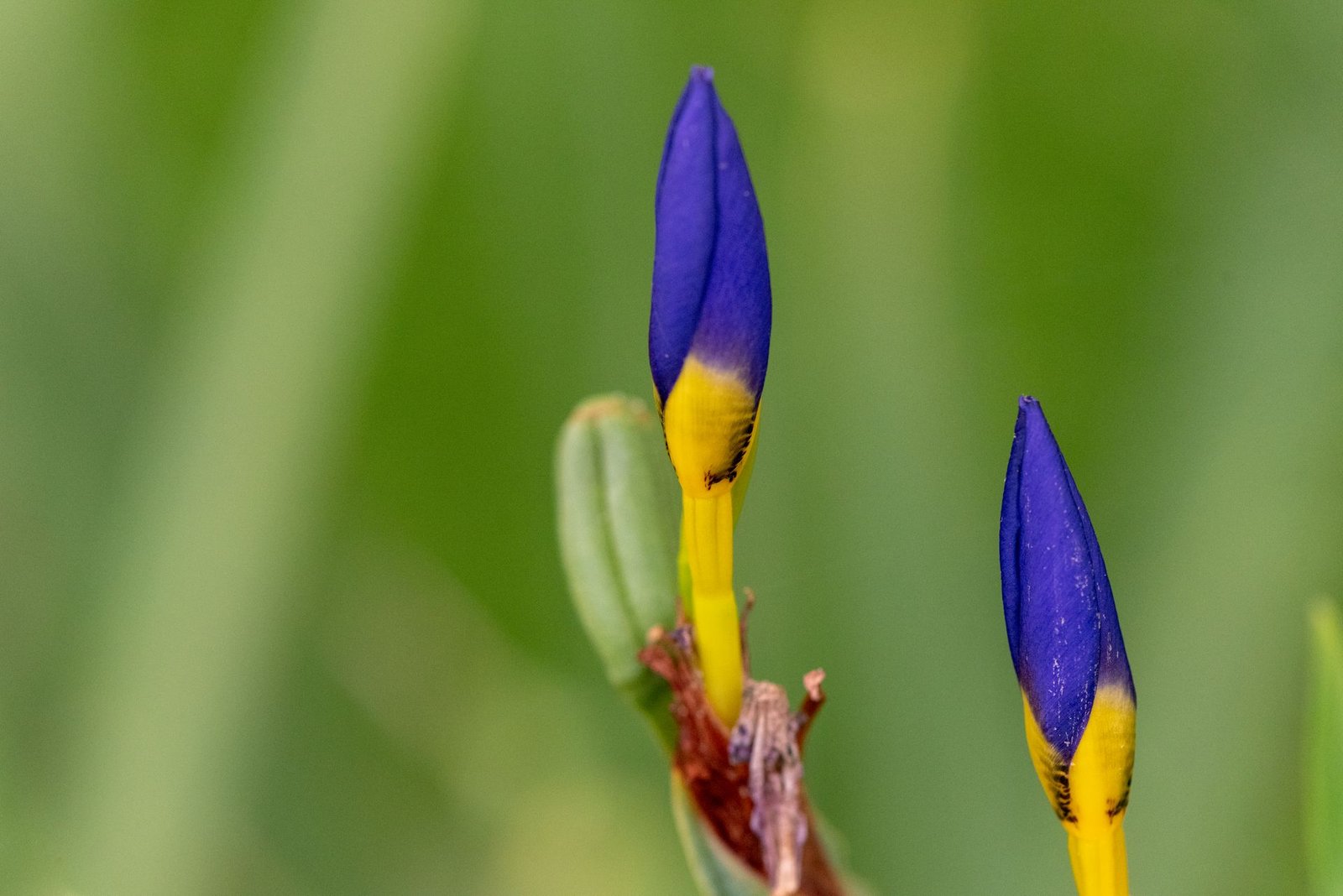
Think about a flower before it blooms. For a long time, there may only be a small bud. If you judged the plant only by what you could see in that moment, you might think very little was happening. But growth is already taking place. The bud does not need to force itself open overnight. It continues receiving what it needs, developing quietly until the time comes for what has been forming inside to become visible.
Much of our growth happens this way too.
We want evidence that our efforts are working. We want to know that the hours we spend learning, building, praying, practicing, healing, or trying again will eventually lead somewhere. But growth does not always announce itself while it is happening. Sometimes the only thing we can do is continue caring for what has been entrusted to us.
Jesus often used the image of seeds when teaching about the Kingdom of God. In one parable, He described a man scattering seed on the ground and then continuing with ordinary life while the seed grew, even though the man did not fully understand how it was happening (Mark 4:26–29).
There is something comforting in that picture.
The farmer had a responsibility: he scattered the seed. But he did not stand over the soil demanding immediate evidence of growth. There were processes happening beneath the surface that were beyond his control.
We need that reminder when we become impatient with our own lives.
There are things we are responsible for, and there are things we are not. We can plant. We can water. We can learn. We can practice. We can make wise decisions. We can keep showing up. But we cannot control every result, every opportunity, every timeline, or every season.
That is where faith changes the way we work.
Showing up faithfully allows us to do our part without pretending that everything depends on us. We can work seriously without carrying the impossible burden of controlling the outcome. We can bring our effort to God and trust Him with what happens beyond it.
Some seasons will produce visible fruit quickly. Others may feel painfully slow. There may even be times when you wonder whether anything is changing at all. But slow progress is still progress, and hidden growth is still growth.
One day, you may look back and realize that the person capable of carrying what you once prayed for was being formed during those ordinary days.
It happened while you kept your commitments when nobody was watching. It happened when you chose to try again after disappointment. It happened when you learned to work without needing constant excitement. It happened when you stopped waiting to feel completely ready and simply took the next step available to you.
Showing up quietly builds something deeper than momentum. It builds character.
And character often grows long before the results become visible.
So if today does not feel remarkable, it does not have to be. You do not need every day to become a breakthrough. You do not need to constantly prove that you are moving fast enough. You only need to remain faithful to the direction you know you should be walking.
Do what you can today. Take care of what has been placed in front of you. Rest when rest is needed. Begin again when you have wandered. Pray. Plant. Water. Continue.
The flower does not bloom every day. But every day of quiet growth is part of the blooming.
Continue Your Journey
Growth is rarely about changing everything at once. More often, it begins with one intentional choice, repeated over time.
If you’d like a simple guide to help you keep moving forward with greater intention, you can begin with The 10 Rules of Personal Growth.